Alan Greenspan
Origin
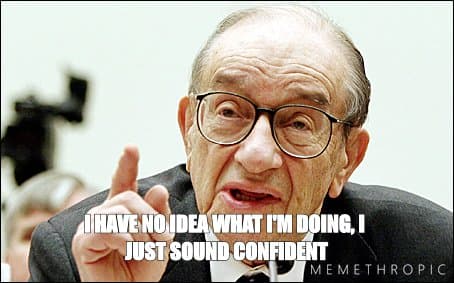
Alan Greenspan was a prominent American economist who led the Federal Reserve as its chairman throughout much of the late 20th and early 21st centuries, serving from 1987 until 2006. Ronald Reagan selected him for this position, and he wielded considerable power over how the nation managed its money supply and interest rates during a period of major economic shifts, including the rise of tech companies in the 1990s and the downturn that followed in the 2000s. In 1996, Greenspan became widely recognized for coining the term "irrational exuberance" when he warned about inflated stock valuations. Throughout his years at the Federal Reserve, there were ongoing disagreements about how much the institution should involve itself in controlling economic activity. The 2008 financial collapse prompted many observers to scrutinize his decisions, with numerous economists and commentators arguing his approach to policy helped create conditions for the crisis. Once he stepped down from his role, Greenspan remained a visible figure in economic discussions, writing books and offering commentary on world economic trends. Today, assessments of his career are divided, with some crediting his stewardship of the economy and others holding him accountable for decisions that preceded the crisis.
Caption Zones
The deadpan economic truth or contradiction
Max 189 characters